Feature
Match-3 vs Merge: Which Puzzle Genre Fits How You Think?
Matching and merging both use observation and planning, with different rules for what happens when items combine. Compare the formats before choosing your next game.

Put a match-3 game and a merge game side by side and they look like variations on one idea: a grid of colourful objects, combined by similarity, clearing to make room for more. The store listings sit in the same category and the audiences heavily overlap.
Both formats use pattern recognition and planning. The balance depends on the rules: whether a match clears items, creates a new item, opens space, or works toward a separate level goal.
Match-3 starts with spotting matches
Finding a legal match is the starting point. Choosing between matches can require planning: one move may clear a blocker or set up a later combination, while another gives a smaller immediate reward. Matching games vary between swapping adjacent tiles and collecting or arranging sets of items.
Timed modes reward quick recognition. In untimed or move-limited levels, slowing down to compare matches can help. Check the level goal, timer and move allowance before choosing a pace.
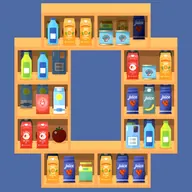 Good Sort Master: Triple MatchTriple-match sorting with limited shelf space, so the order of your clears matters.Play
Merge is a resource game
A merge game asks a different question. The move you want usually does not exist yet. You have to build toward it. Two 4s make an 8, but you need to produce the second 4 first, and everything you do to produce it consumes board space you may need later.
Merge games often put sustained pressure on board space. Look for useful combinations while considering where the resulting item will sit and how you will produce its next partner. In an untimed game, taking a moment to plan can help you avoid filling the board with items you cannot yet use.
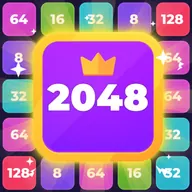 Block Blast 2048Number merging with no timer, pure space management.Play
Check how each game uses space
Many tile-swapping match-3 games refill gaps automatically after a match. Other matching games leave the space open: in Good Sort Master, clearing a triple gives you shelf room for later moves. The matching rule alone does not tell you how the board will behave.
In a merge game, each stored item occupies space while you build toward its next combination. A full board can limit your options, though whether it ends a run depends on the game and any remaining merges. Before generating or placing another item, check what you can combine and which cells you need to keep open.
Failure feels different, and that matters
A move-limited match-3 level can end before you reach its target. Both the available board and your choices can affect the result. On a retry, look for a move that advances the target rather than taking the first available match.
A merge board can become crowded after several moves that seemed useful individually. Review which items became stranded and whether you could have kept room for their partners. Random item generation and other game-specific rules can also affect the options you receive.
Which one suits you?
Rough guide, based on what you tend to enjoy elsewhere:
- Try matching games if you enjoy spotting sets and working toward a clear level target. Check whether the particular game is timed, move-limited or untimed.
- Try merge games if you enjoy building items through several stages and managing space as your board develops.
- Try both if you usually stay with one format. Observation, planning and checking the consequences of a move can help in either, while each game brings rules to learn.
When a merge board includes a story
Some games pair a merge board with a separate story or restoration goal. Completing requests can advance a café renovation or a narrative, giving you another way to follow progress beyond the current board.
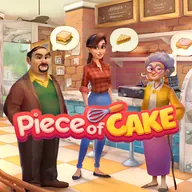 Piece of Cake: Merge & BakeMerge board with café restoration across 21 locations.Play
If a pure score chase does not appeal to you, a story or restoration goal may be a better fit. Check which tasks advance that goal and whether the pace suits you.
And if neither appeals, that is genuinely useful information too. Preferring tile-matching or pure logic is not a failure to appreciate merge. It is just a different set of things you like doing, and there are plenty of puzzles built for it.
Games mentioned in this guide
 Match & Sort
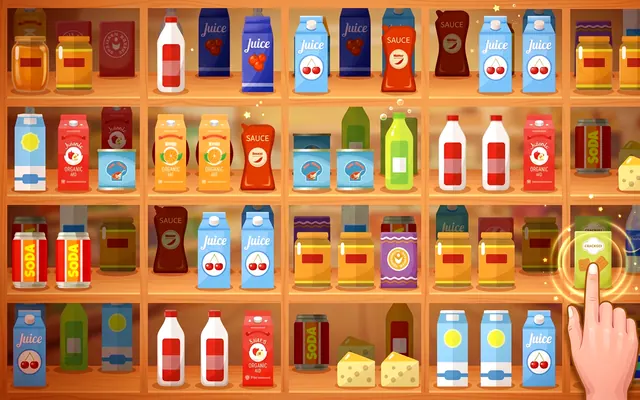
Good Sort Master: Triple Match
Tidy chaotic shelves by lining up three of everything.
Phone + desktop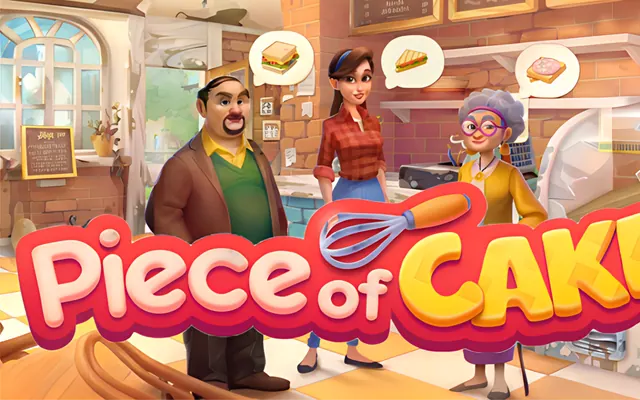 Blocks & Merge
Piece of Cake: Merge & Bake
Merge ingredients, cook increasingly ambitious dishes, and rebuild a café.
Phone + desktop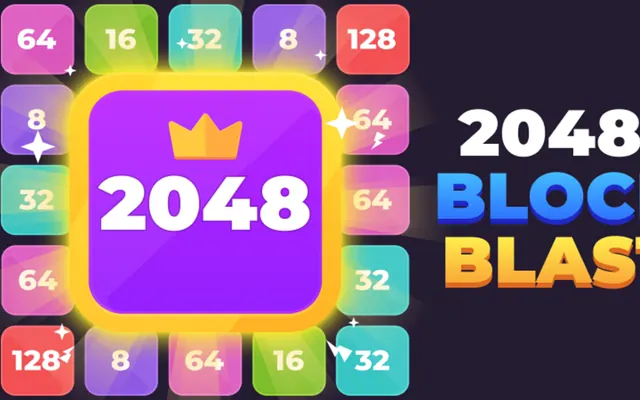 Blocks & Merge
Block Blast 2048
Merge matching numbers into bigger ones without running out of board.
Phone + desktop


